Early Spring in Idaho: What to Photograph Before Everything Turns Green
There’s a quiet window in Idaho that most people overlook.
It happens just before everything turns green.
Early spring doesn’t explode with color the way late April and May do. Instead, it lingers in muted tones—soft browns, pale grasses, lingering snow patches in the foothills, and bare trees waiting to wake up. But that’s exactly why it’s such a powerful time to photograph.
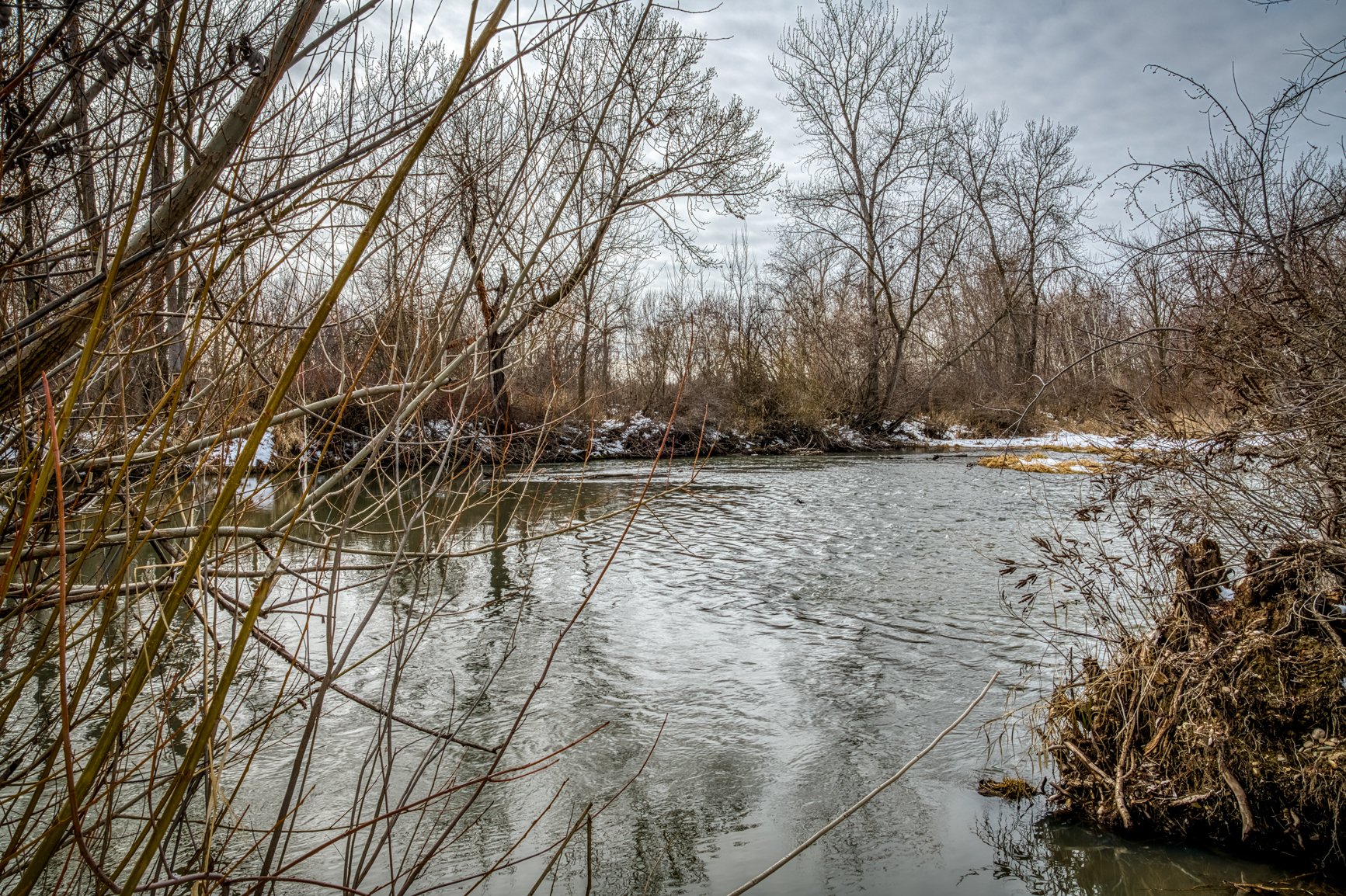
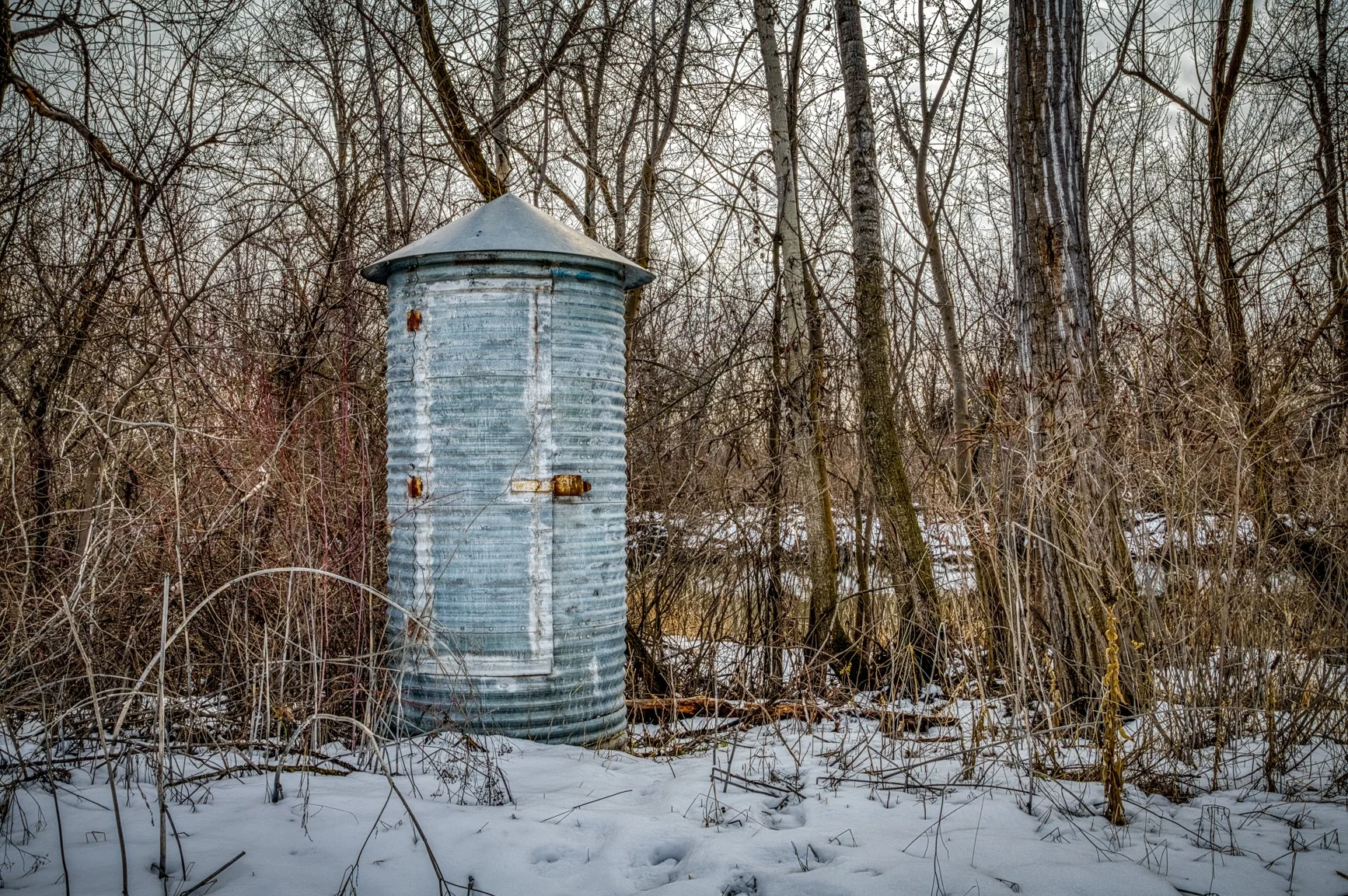
Without heavy foliage, the land's structure becomes visible. Rolling hills show their lines. Dirt roads stand out against open fields. Old barns and rural buildings feel more exposed, more honest. This is a season about shape and texture, not saturation.
Riverbanks are especially strong this time of year. Water levels rise, skies stay dramatic, and reflections feel deeper under unsettled weather. Heavy clouds add mood without competing with bright greens.
Urban areas also benefit. Bare trees frame historic buildings without blocking them. Sidewalk scenes feel clean and uncluttered. The softer palette allows architecture and light to take center stage, something I lean into often in my Idaho urban photography.
And then there’s the weather. March skies in Idaho are rarely predictable. Passing storms, shifting clouds, and sudden light breaks create contrast you don’t get during stable summer months.
This transitional season is one of my favorite times for Idaho landscape photography, when texture and mood take center stage. If you wait for peak bloom, you miss this quieter story.
Early spring is Idaho in transition, raw, minimal, and full of subtle drama. Before everything turns green and busy, there’s a brief moment when the land feels open and reflective.
That’s the time to go out and photograph.