Best Camera Gear for Landscape Photography (A Professional Photographer’s Setup)
Landscape photography is one of the most rewarding forms of photography. Whether you're capturing sunrise over the Idaho foothills, a historic barn on a quiet dirt road, or city architecture at golden hour, having the right gear makes a big difference.
While great photography ultimately comes down to light, patience, and composition, the right equipment allows you to capture scenes with incredible detail, dynamic range, and clarity.
Over the years, I’ve refined my gear kit to tools that consistently deliver professional results. The equipment below is what I personally use to capture my HDR landscape and urban photography across Idaho and the American West.
If you're building your own landscape photography setup, these tools represent some of the best camera gear for landscape photography available today.
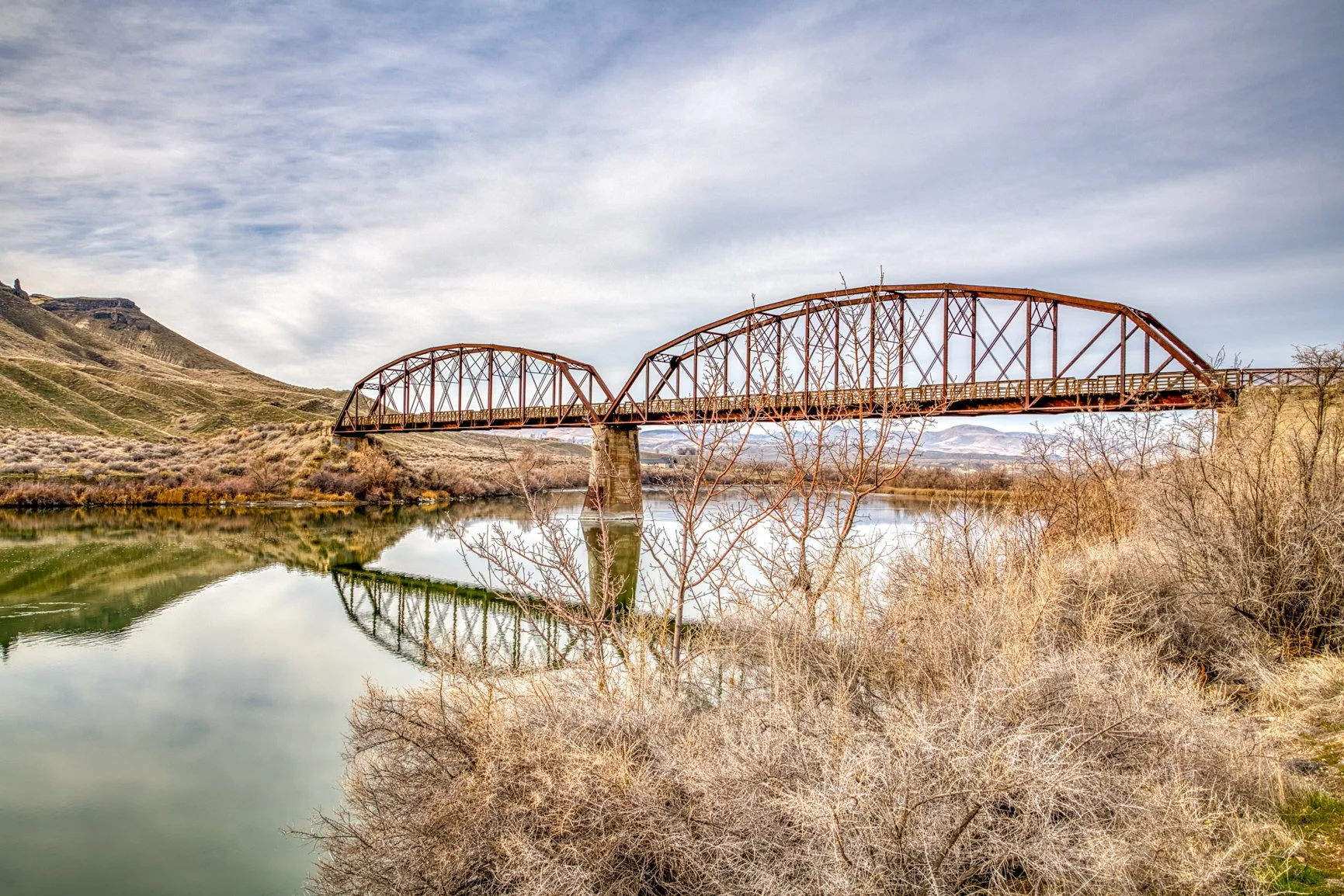
The Best Cameras for Landscape Photography
Nikon D850 DSLR Camera
The Nikon D850 is widely considered one of the best cameras ever produced for landscape photography. With a 45.7-megapixel full-frame sensor, it produces incredibly detailed images that are perfect for large prints and fine art photography.
One of the main reasons landscape photographers love this camera is its exceptional dynamic range, which is critical when photographing scenes with bright skies and dark foregrounds.
When I photograph Idaho landscapes, I typically capture 7 bracketed exposures and merge them into a single HDR image. The D850’s files hold an enormous amount of detail, making this process extremely effective.
Why it’s great for landscapes
• Massive 45MP resolution
• Incredible shadow recovery
• ISO 64 base for ultra-clean images
• Rugged weather-sealed body
For photographers who prefer a DSLR system, the D850 remains one of the best landscape photography cameras ever built.
Nikon Z7 II Mirrorless Camera
The Nikon Z7 II represents Nikon’s evolution into mirrorless photography while maintaining the same professional image quality that landscape photographers expect.
Like the D850, it features a 45-megapixel sensor, but the mirrorless design provides several advantages including in-body image stabilization and a lighter camera body.
For urban photography and travel photography, I often reach for the Z7 II because it’s compact while still delivering professional image quality.
Why it’s great for landscapes
• 45MP full frame sensor
• In-body image stabilization
• Outstanding dynamic range
• Lightweight mirrorless design
When paired with Nikon’s excellent Z-mount lenses, the Z7 II produces razor-sharp images from corner to corner.
(Affiliate link opportunity: Nikon Z7 II Mirrorless Camera)
The Best Lenses for Landscape Photography
Great landscape photography depends heavily on lens quality. Sharp lenses allow you to capture fine detail in mountains, trees, architecture, and textures across a wide scene.
Here are the lenses I rely on most.
Sigma 14-24mm f/2.8 Art Lens
Ultra-wide lenses are essential for landscape photographers who want to capture dramatic scenes with expansive skies and foreground elements.
The Sigma 14-24mm f/2.8 Art lens is one of the sharpest wide-angle lenses available and performs exceptionally well across the frame.
This lens is perfect for capturing scenes like:
• sweeping mountain landscapes
• dramatic cloud formations
• large foreground compositions
• architectural interiors
Pro Tip: Use a strong foreground element when shooting at ultra-wide focal lengths to create depth and scale in your composition.
Sigma 24-70mm f/2.8 Art Lens
If there is one lens every landscape photographer should own, it is the 24-70mm zoom lens.
The Sigma 24-70mm f/2.8 Art lens covers the most versatile focal range for photography. It allows you to move quickly between wide scenic views and tighter compositions without changing lenses.
I use this lens frequently when photographing:
• Idaho farmland landscapes
• historic barns
• urban architecture
• city streets
Why it’s excellent
• Extremely sharp optics
• Professional build quality
• Versatile focal range
For many photographers, this lens becomes their primary workhorse lens.
Nikon 50mm f/1.4 Prime Lens
The classic Nikon 50mm f/1.4 lens offers a natural field of view and beautiful background separation.
Although landscape photography often uses wide lenses, the 50mm focal length is ideal when you want to isolate details in a scene.
I often use this lens for:
• architectural details
• street photography
• environmental portraits
• creative compositions
Pro Tip: Shooting at f/1.4–f/2 allows for beautiful subject separation.
(Affiliate link opportunity: Nikon 50mm f/1.4 Lens)
Nikon Z 20mm f/1.8 S Lens
The Nikon Z 20mm f/1.8 S is one of Nikon’s most impressive wide-angle lenses in their mirrorless lineup.
It produces incredibly sharp images and performs extremely well in low-light conditions.
This lens is excellent for:
• dramatic landscapes
• astrophotography
• night photography
• environmental scenes
Many photographers consider this lens one of the sharpest wide-angle lenses Nikon has ever produced.
Nikon Z 28-75mm f/2.8 Lens
For travel photography and lighter setups, the Nikon Z 28-75mm f/2.8 lens is a fantastic option.
It’s smaller and lighter than many professional zoom lenses but still delivers strong image quality.
This makes it ideal for:
• travel photography
• city photography
• hiking trips
• everyday shooting
(Affiliate link opportunity: Nikon Z 28-75mm f/2.8 Lens)
Essential Landscape Photography Accessories
Great landscape photography isn’t just about cameras and lenses. Accessories often make the difference between a good image and a great one.
Sirui ET-2204 Carbon Fiber Tripod
A sturdy tripod is one of the most important tools for landscape photography.
Because I often shoot HDR brackets and long exposures, stability is critical.
The Sirui ET-2204 carbon fiber tripod is lightweight but extremely stable, making it ideal for outdoor photography.
Benefits of carbon fiber tripods
• lighter weight for hiking
• stronger vibration control
• durable in outdoor environments
Benro MeFOTO GlobeTrotter Pro Travel Tripod
When traveling, a compact tripod is essential.
The Benro GlobeTrotter Pro folds down small enough for travel while still providing excellent stability.
This tripod is perfect for photographers who want professional stability in a portable design.
Nikon MC-30 Remote Trigger Release
Even pressing the shutter button can introduce slight vibration when shooting on a tripod.
The Nikon MC-30 remote trigger eliminates this problem by allowing you to trigger the shutter without touching the camera.
This is especially helpful when shooting:
• HDR brackets
• long exposures
• sunrise and sunset photography
Think Tank Retrospective 7M Camera Bag
Every photographer needs a reliable bag to carry and protect their equipment.
The Think Tank Retrospective 7M camera bag is durable, well-organized, and comfortable to carry.
It provides quick access to gear while still protecting cameras and lenses during travel.
The Gear Behind My Landscape Photography
All of the gear listed above is part of the equipment I regularly use in my photography. My current working kit includes:
• Nikon D850 DSLR
• Nikon Z7 II mirrorless camera
• Sigma 14-24mm Art lens
• Sigma 24-70mm Art lens
• Nikon 50mm f/1.4 lens
• Nikon Z 20mm f/1.8 S lens
• Nikon Z 28-75mm f/2.8 lens
• Sirui carbon fiber tripod
• Benro travel tripod
• Nikon MC-30 remote trigger
• Think Tank Retrospective camera bag
See What This Gear Can Create
The equipment listed above helps me capture the landscapes, architecture, and historic locations featured throughout my photography galleries.
You can see the results in my Idaho landscape photography, urban photography, and fine art print collections available throughout my website.
Many of these images are available as museum-quality prints, canvas, and metal wall art for homes and offices.
Explore the galleries and see how the right gear, light, and patience come together to capture the beauty of the American West.