Winter Safety Hiking Tips in Idaho for Landscape Photographers
Winter in Idaho is a dream season for landscape photographers. Snow-softened hills, frost-covered trees, frozen rivers, and dramatic winter light can transform familiar locations into something extraordinary. But chasing that perfect winter image often means hiking in cold, remote, and unpredictable conditions. Safety should be as carefully considered as composition. These winter hiking safety tips are tailored specifically for photographers heading into Idaho’s winter landscapes.
Plan the Shot—and the Exit
Before leaving home, research not only your location but also access points, terrain, and winter trail conditions. Snow can hide trails, landmarks, and hazards, making navigation more challenging—especially if you wander off-trail for a better angle. Always tell someone where you’re going and when you expect to return. Build extra time into your plan for slow travel, tripod setup, and changing light.
Dress for Standing Still
Photographers spend long periods stationary, waiting for light or fine-tuning composition. Dress warmer than you would for a standard winter hike. Use a moisture-wicking base layer, an insulating mid-layer, and a windproof/waterproof shell. Insulated pants, hand warmers, and a warm hat are invaluable when you’re standing in snow at sunrise. Avoid cotton, which stays wet and cold.
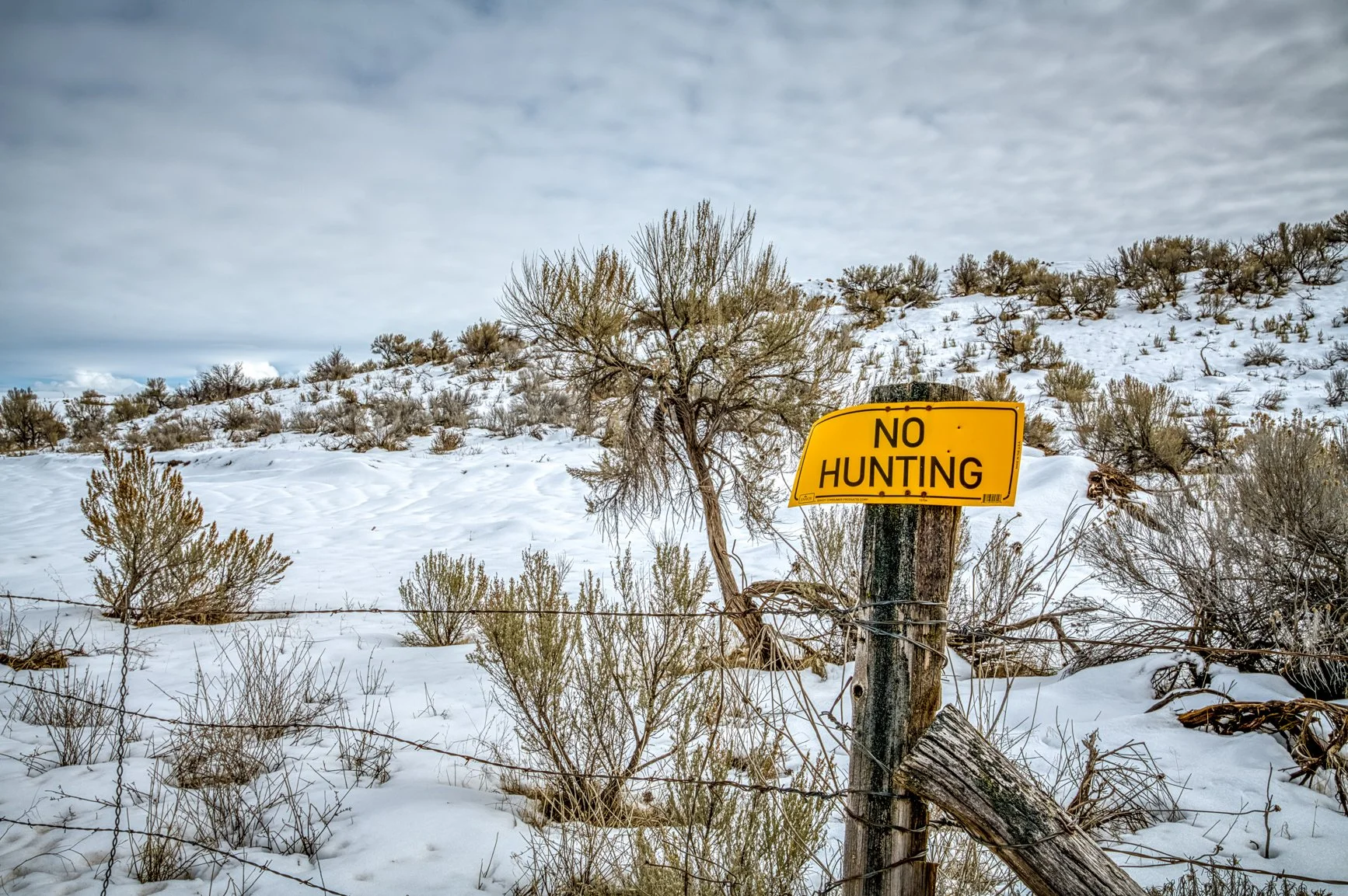
No Hunting - Prints starting at $23
Check out the best of my Idaho Landscape Photography gallery here.
Protect Your Feet and Stability
Snowy trails and icy riverbanks demand proper footwear. Insulated, waterproof boots paired with traction devices such as microspikes help prevent slips while carrying camera gear. Snowshoes may be necessary in deeper snow, especially when accessing untouched scenes. Gaiters keep snow out of your boots and help you stay warmer longer.
Manage Camera Gear in the Cold
Cold temperatures can drain batteries quickly, so consider carrying spares in an inner pocket close to your body. Use gloves designed for photographers or fingerless gloves with liners to keep dexterity without freezing your hands. Be mindful of condensation—when returning to your vehicle or indoors, seal your camera in a bag to let it warm gradually.
Pack a Winter Safety Kit
In addition to camera equipment, carry winter essentials: a headlamp (with extra batteries), navigation tools, a first-aid kit, emergency shelter, fire-starting materials, extra food, and plenty of water. Insulated bottles or thermoses prevent freezing. A lightweight foam pad can also provide insulation when kneeling in snow for low-angle shots.
Watch Light, Weather, and Time
Winter light is beautiful but fleeting. Short days mean less margin for error, especially if clouds roll in or snow begins to fall. Idaho’s weather can change quickly—clear skies can become whiteout conditions in minutes. If visibility drops or conditions worsen, prioritize safety over the shot and turn back early.
Know When the Photo Isn’t Worth the Risk
That final composition might be tempting, but deepening snow, fading daylight, or rising winds are clear signals to retreat. No photograph is worth frostbite, injury, or getting stranded. Experienced winter photographers know the most important image is the one where everyone returns home safely.
Winter landscape photography in Idaho can be incredibly rewarding, offering rare light and quiet beauty. With thoughtful preparation, proper gear, and a safety-first mindset, you can focus on creativity while respecting the power of winter conditions—and come home with both stunning images and great stories to tell.